Trending...
- Red5 Taps PubNub to Power the Next Era of Real-Time Interactive Streaming
- LARUS Launches Business Continuity Framework for IPv4-Dependent Networks
- EFA Announces 2026 Editorial Rate Chart
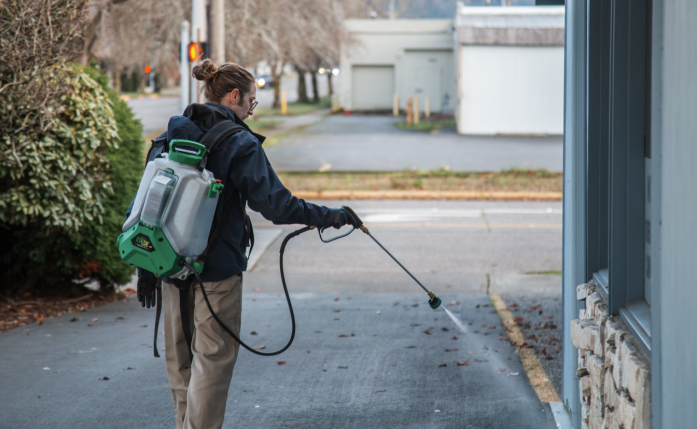
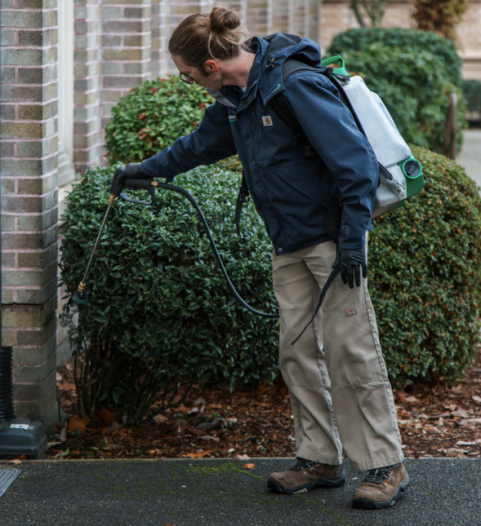

Interstate Pest Management Reports 75% Surge in Ant Calls Over First Six Weeks of 2026 vs. 2025
PORTLAND, Ore. - PennZone -- PORTLAND, OR — If you've noticed ants trailing across your kitchen counter or gathering around your bathroom sink earlier than usual this year, you're not imagining things. A stretch of unseasonably warm weather across western Washington and Oregon has stirred up pest activity weeks ahead of the typical schedule, and one of the Pacific Northwest's longest-serving pest control companies says the phones have been ringing nonstop to prove it.
Interstate Pest Management, a family-owned company that has been protecting homes and businesses across the Pacific Northwest since 1963, reports a 75% increase in ant-related service calls during the first six weeks of 2026 compared to the same period last year. That spike, which the company attributes to warmer-than-normal temperatures disrupting typical winter dormancy patterns, has prompted their team to issue a community advisory: pest season isn't waiting for spring, and neither should homeowners.
What's Happening — and Why It Matters
The Pacific Northwest is known for its mild, wet winters — conditions that typically keep most ant species dormant or confined to their nests until March or April. But 2026 has opened with a different story. Extended periods of above-average temperatures throughout January and into early February have created a false spring of sorts, signaling to ant colonies that it's time to forage, expand, and seek out new food and water sources. For many homeowners, that search leads directly into their kitchens, bathrooms, and laundry rooms.
"We typically don't start seeing this volume of ant calls until mid-March at the earliest," says TJ Jackson, Director of Operations at Interstate Pest Management, who has spent more than 12 years managing pest control operations across Southwest Washington and the Portland metro area. "This year, the calls started ramping up in January. The warm days we've had are essentially waking these colonies up early, and once they're active, they don't just go back to sleep when a cold front rolls through. They've already started looking for food and establishing trails into homes."
Jackson notes that while a cold snap is expected this weekend, it won't undo the activity that's already underway. In fact, sudden temperature swings can actually drive more pests indoors, as ants seek the stable warmth and moisture that homes provide. The real concern, he explains, is what comes next: when true spring temperatures arrive and amplify colonies that got a head start weeks ago.
More on The PennZone
The Pests Homeowners Should Be Watching For
The species driving the current surge is one that Pacific Northwest homeowners know all too well: the odorous house ant, sometimes called the "sugar ant." These small, dark brown ants get their name from the distinctive rotten-coconut smell they produce when crushed. They're the most common nuisance ant in Washington and Oregon, and they're drawn to moisture and sweet foods — which makes the typical PNW home an ideal target during warm, damp stretches.
But odorous house ants aren't the only species stirring early. Interstate's team is also fielding calls about moisture ants, which thrive in the damp conditions beneath homes and in water-damaged wood, and carpenter ants, the Pacific Northwest's most destructive ant species. Carpenter ants don't eat wood like termites, but they hollow it out to build their nests — and they have a particular preference for wood that has been softened by moisture, a condition that's extremely common in the region's crawl spaces, attics, and around windows and doors.
"Carpenter ants are the ones that keep us up at night, honestly," Jackson says. "A homeowner might see a few large black ants and think it's no big deal, but those visible ants are just the scouts. The colony could be inside the walls, and the damage they cause is structural. By the time you see frass — those little piles of sawdust-like debris — the colony has been established for a while."
What Homeowners and Property Managers Can Do Now
Interstate Pest Management emphasizes that the weeks ahead represent a critical window for prevention. The steps homeowners take now — before ant colonies are fully mobilized by spring warmth — can mean the difference between a minor nuisance and a full-scale infestation that requires extensive treatment.
The company recommends that homeowners and property managers assess their properties with a focus on several key areas. First, address moisture. Fix leaky faucets, clear clogged gutters, and make sure crawl spaces have adequate ventilation and drainage. Ants — especially moisture ants and carpenter ants — are drawn to damp environments, and the Pacific Northwest's wet climate means most homes have at least some moisture vulnerability.
Second, seal entry points. Inspect the foundation, window frames, door sweeps, and anywhere utility lines enter the home. Ants can exploit gaps as small as a credit card's width, and once a trail is established, hundreds will follow the same path. Caulking and weatherstripping are inexpensive, effective first lines of defense.
More on The PennZone
Third, eliminate food sources. Store pantry items in airtight containers, clean up crumbs and spills immediately, and don't leave pet food sitting out overnight. Ants are relentless foragers, and even small food residues can sustain a colony's interest in your home.
Finally, and this is the one that catches many homeowners off guard: don't rely on store-bought sprays. Over-the-counter ant sprays typically kill only the ants you can see, which represent a tiny fraction of the colony. Worse, many sprays contain repellents that cause the colony to scatter and establish new nesting sites throughout the home — a process pest professionals call "budding." What started as one ant trail in the kitchen can become three or four trails in different rooms within days.
When It's Time to Call a Professional
"We never want to scare anyone into calling us," says Ryan Thorstenson, President of Interstate Pest Management and the fourth generation of his family to lead the company. "That's not who we are. But we've been doing this for over 60 years, and our experience tells us that early intervention is always less costly and less disruptive than dealing with an established infestation. If you're seeing ants consistently — multiple days in a row, or in multiple areas of your home — that's a sign the colony has moved in, and professional treatment is the most effective path forward."
Thorstenson adds that property managers and commercial building owners should be especially vigilant this season. Multi-unit residential buildings, restaurants, and properties with shared walls or common plumbing are particularly vulnerable to rapid ant spread, and early-season treatment can prevent costly disruptions during the busier months ahead.
Interstate Pest Management serves communities across Southwest Washington and the Portland, Oregon metro area, with local offices in Kelso, Vancouver, Portland, and Olympia. The company follows Integrated Pest Management protocols, and prioritizes environmentally responsible treatment methods — using targeted, organic products whenever possible before escalating to conventional treatments.
Homeowners and property managers can request a complimentary inspection by calling 888-844-4476 or visiting www.interstatepest.com.
Interstate Pest Management, a family-owned company that has been protecting homes and businesses across the Pacific Northwest since 1963, reports a 75% increase in ant-related service calls during the first six weeks of 2026 compared to the same period last year. That spike, which the company attributes to warmer-than-normal temperatures disrupting typical winter dormancy patterns, has prompted their team to issue a community advisory: pest season isn't waiting for spring, and neither should homeowners.
What's Happening — and Why It Matters
The Pacific Northwest is known for its mild, wet winters — conditions that typically keep most ant species dormant or confined to their nests until March or April. But 2026 has opened with a different story. Extended periods of above-average temperatures throughout January and into early February have created a false spring of sorts, signaling to ant colonies that it's time to forage, expand, and seek out new food and water sources. For many homeowners, that search leads directly into their kitchens, bathrooms, and laundry rooms.
"We typically don't start seeing this volume of ant calls until mid-March at the earliest," says TJ Jackson, Director of Operations at Interstate Pest Management, who has spent more than 12 years managing pest control operations across Southwest Washington and the Portland metro area. "This year, the calls started ramping up in January. The warm days we've had are essentially waking these colonies up early, and once they're active, they don't just go back to sleep when a cold front rolls through. They've already started looking for food and establishing trails into homes."
Jackson notes that while a cold snap is expected this weekend, it won't undo the activity that's already underway. In fact, sudden temperature swings can actually drive more pests indoors, as ants seek the stable warmth and moisture that homes provide. The real concern, he explains, is what comes next: when true spring temperatures arrive and amplify colonies that got a head start weeks ago.
More on The PennZone
- Explosive $10 Billion Counter-Drone Market with AI-Powered Defense Ecosystem: ZenaTech, Inc. (N A S D A Q: ZENA)
- High-Value Execution Phase Begins: Bitcoin Bancorp Ignites Texas Rollout of Digital Asset ATM Network: Bitcoin Bancorp (Stock Symbol: BCBC) $BCBC
- Women's Wellness Conference Returns with a Powerful Call to Restoration
- UK Financial Ltd Tokenized LTNS 1, A $1.1 T Asset-Backed ERC-3643 Security Token with 11 On-Chain Contracts Verifying, Compliant Real-World Value
- SelfCare is now HealthCare across America
The Pests Homeowners Should Be Watching For
The species driving the current surge is one that Pacific Northwest homeowners know all too well: the odorous house ant, sometimes called the "sugar ant." These small, dark brown ants get their name from the distinctive rotten-coconut smell they produce when crushed. They're the most common nuisance ant in Washington and Oregon, and they're drawn to moisture and sweet foods — which makes the typical PNW home an ideal target during warm, damp stretches.
But odorous house ants aren't the only species stirring early. Interstate's team is also fielding calls about moisture ants, which thrive in the damp conditions beneath homes and in water-damaged wood, and carpenter ants, the Pacific Northwest's most destructive ant species. Carpenter ants don't eat wood like termites, but they hollow it out to build their nests — and they have a particular preference for wood that has been softened by moisture, a condition that's extremely common in the region's crawl spaces, attics, and around windows and doors.
"Carpenter ants are the ones that keep us up at night, honestly," Jackson says. "A homeowner might see a few large black ants and think it's no big deal, but those visible ants are just the scouts. The colony could be inside the walls, and the damage they cause is structural. By the time you see frass — those little piles of sawdust-like debris — the colony has been established for a while."
What Homeowners and Property Managers Can Do Now
Interstate Pest Management emphasizes that the weeks ahead represent a critical window for prevention. The steps homeowners take now — before ant colonies are fully mobilized by spring warmth — can mean the difference between a minor nuisance and a full-scale infestation that requires extensive treatment.
The company recommends that homeowners and property managers assess their properties with a focus on several key areas. First, address moisture. Fix leaky faucets, clear clogged gutters, and make sure crawl spaces have adequate ventilation and drainage. Ants — especially moisture ants and carpenter ants — are drawn to damp environments, and the Pacific Northwest's wet climate means most homes have at least some moisture vulnerability.
Second, seal entry points. Inspect the foundation, window frames, door sweeps, and anywhere utility lines enter the home. Ants can exploit gaps as small as a credit card's width, and once a trail is established, hundreds will follow the same path. Caulking and weatherstripping are inexpensive, effective first lines of defense.
More on The PennZone
- Homeowner Prep Announces Strategic Language Shift: Replacing "Renters" with "Future Homeowners" to Inspire Wealth-Building Mindsets
- LiposoMore™ Redefines Bioavailability: Joyful Nutritional Launches High-Performance Liposomal Vitamin C and Iron for the Global Supplement Market
- GDE Tree Services Expands Operations into Sydney, NSW
- Tuckwell Machinery Expands CNC Range to Support Australian Cabinet Makers
- The Inner Power of Emotional Self-Leadership
Third, eliminate food sources. Store pantry items in airtight containers, clean up crumbs and spills immediately, and don't leave pet food sitting out overnight. Ants are relentless foragers, and even small food residues can sustain a colony's interest in your home.
Finally, and this is the one that catches many homeowners off guard: don't rely on store-bought sprays. Over-the-counter ant sprays typically kill only the ants you can see, which represent a tiny fraction of the colony. Worse, many sprays contain repellents that cause the colony to scatter and establish new nesting sites throughout the home — a process pest professionals call "budding." What started as one ant trail in the kitchen can become three or four trails in different rooms within days.
When It's Time to Call a Professional
"We never want to scare anyone into calling us," says Ryan Thorstenson, President of Interstate Pest Management and the fourth generation of his family to lead the company. "That's not who we are. But we've been doing this for over 60 years, and our experience tells us that early intervention is always less costly and less disruptive than dealing with an established infestation. If you're seeing ants consistently — multiple days in a row, or in multiple areas of your home — that's a sign the colony has moved in, and professional treatment is the most effective path forward."
Thorstenson adds that property managers and commercial building owners should be especially vigilant this season. Multi-unit residential buildings, restaurants, and properties with shared walls or common plumbing are particularly vulnerable to rapid ant spread, and early-season treatment can prevent costly disruptions during the busier months ahead.
Interstate Pest Management serves communities across Southwest Washington and the Portland, Oregon metro area, with local offices in Kelso, Vancouver, Portland, and Olympia. The company follows Integrated Pest Management protocols, and prioritizes environmentally responsible treatment methods — using targeted, organic products whenever possible before escalating to conventional treatments.
Homeowners and property managers can request a complimentary inspection by calling 888-844-4476 or visiting www.interstatepest.com.
Source: Interstate Pest Management
0 Comments
Latest on The PennZone
- Larry R. Wasion Highlights Jump Gate I: Time Chair. The Opening Novel in His Expansive Science Fiction Series
- New Book Reveals The Science Of Predictions
- Compliance Alert: Maryland, Texas Regulate Use of Artificial Intelligence in Utilization Reviews
- Colony Ridge Communities Celebrates Successful Soccer Season Kickoff with Families and Youth
- Best Companies Group Free Launches Best Places to Work in Michigan Program
- Billy Bob Thornton & The Boxmasters Coming to The Eichelberger Performing Arts Center This August
- NYC Composer/Educator Launches Debut Children's Book to Fantastic Reviews
- EFA Announces 2026 Editorial Rate Chart
- Red5 Taps PubNub to Power the Next Era of Real-Time Interactive Streaming
- Shoutout Joseph Neibich aka Nybyk
- Meet Joseph Neibich aka Joseph Nybyk of Beachwood Canyon
- LARUS Launches Business Continuity Framework for IPv4-Dependent Networks
- KeysCaribbean Offers 'Skip-the-Crowds' Savings With 15 Percent Off April Stays
- Supply & Demand Chain Executive Names Puga Sankara as Recipient of 2026 Pros to Know Award
- Why We're Holding the Line on Pricing
- Moravian Academy Announces New Full-Tuition Impact Scholarship for Upper School Students
- AI Disruption Meets Marine Scale: Off The Hook YS, Inc. (N Y S E American: OTH) Targets Breakout Growth with NextBoat Launch and Aggressive Expansion
- Targeting the Billion-Dollar U.S. Countermeasure Market With AI-Driven Biodefense Platform: Lunai Bioworks (N A S D A Q: LNAI)
- National Focus Turns to Global Conflict, Families of Veterans Lost to Suicide Call for Recognition
- New Global Standard for Transparency Across Critical Resources and Energy Markets: SMX (Security Matters) PLC (N A S D A Q: SMX)