Trending...
- From Speech Therapy to 300+ Episodes: Brother Marcus Turns His Voice Into a Movement Launching a 24/7 Inspiration Radio Network on Day 100 of the Year
- Mensa Brings National Board Game Competition to Northern Virginia April 16-19
- Porter's Day Care Empowers Philadelphia's Future Through 45+ Years of Excellence
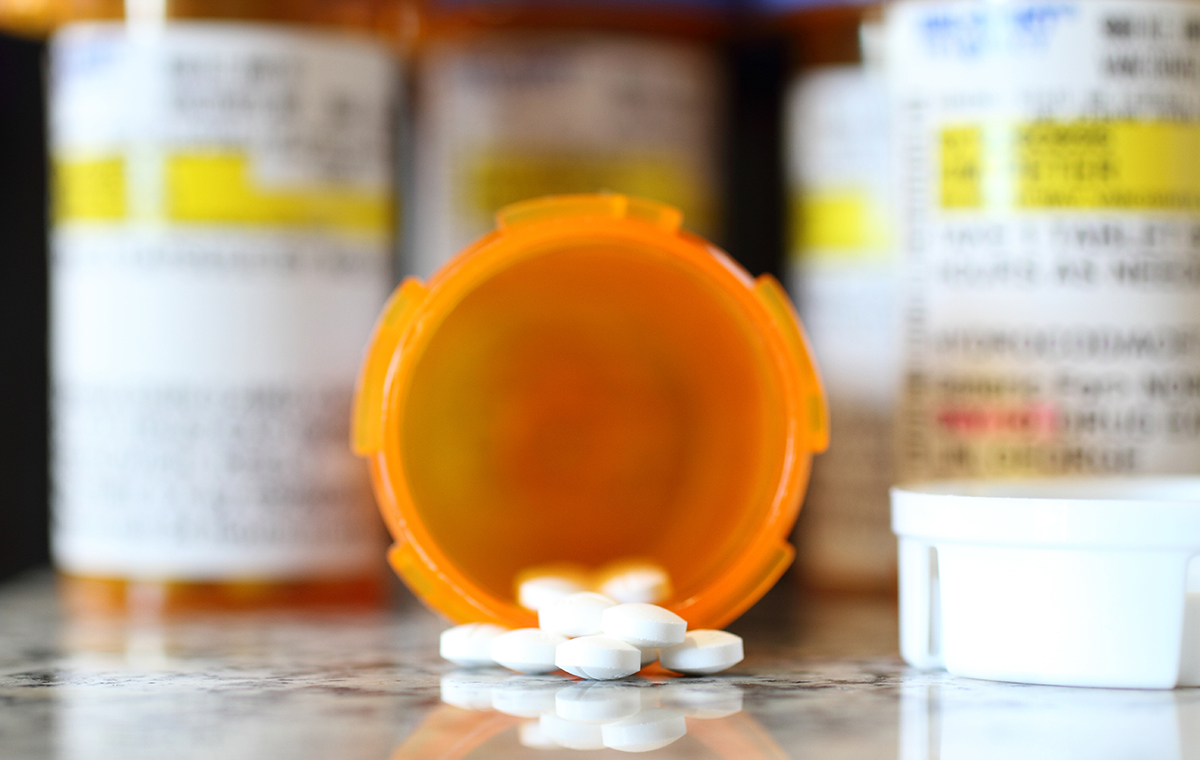
Safety signals spanning decades have not removed many high-risk psychiatric drugs from the market, prompting renewed scrutiny of federal regulators, as long-reported harm intensifies concerns over failures in public safeguards.
LOS ANGELES - PennZone -- By CCHR International
More than 30 years after early warnings about antidepressant-linked suicidality and violence were downplayed, new peer-reviewed studies are again raising concerns about psychiatric drug oversight. Research published in leading psychiatric journals questions both the benefits of newer drugs and the safety of current prescribing, especially for young people. The findings point to a pattern of repeated safety signals but limited regulatory response, exposing many to serious risks. The mental health watchdog Citizens Commission on Human Rights International (CCHR) says high-risk drugs are seldom removed from the market and argues that stronger safeguards are urgently needed to protect public safety. CCHR cites experts who warn that rising polypharmacy is increasing healthcare costs while population mental-health outcomes worsen.[1]
A study in the Journal of Clinical Psychiatry found that all 22 psychiatric drugs approved by the United States Food and Drug Administration (FDA) between 2012 and 2024 failed to demonstrate meaningful clinical usefulness. Researchers reported no clear advantage over existing treatments and concluded that none met independent criteria for being genuinely helpful to consumers.[2]
Researchers noted that most approvals involved repurposed or "me-too" drugs—products similar to existing ones with only minor chemical changes. Examples included antipsychotics, where approvals often reflected expanded uses rather than innovations. The study pointed to a regulatory framework that allows market entry without strong real-world outcome evidence.
Prescribing trends add to the concern. A study in the Journal of the American Academy of Child and Adolescent Psychiatry found psychotropic drug use among Americans aged six to twenty-four rose from 5.3% to 8.3%, with the sharpest increases in children aged six to eleven and young adults aged twenty to twenty-four. Stimulant use nearly doubled.[3]
Researchers at the Perelman School of Medicine at the University of Pennsylvania, analyzing National Health and Nutrition Examination Survey data from 2001 to 2020, found that about 26% of young people taking psychotropic drugs were exposed to combinations carrying major drug-interaction risks, most often involving antidepressants and antipsychotics. Because these drugs cross the blood–brain barrier, combined use can heighten central nervous system risks such as abnormal heart rhythms, excessive sedation, and serotonin toxicity.
More on The PennZone
Nearly half of antipsychotic users and just under half of antidepressant users faced at least one major interaction risk.[4]
Long-term exposure remains another issue. In December 2025, The Wall Street Journal reported that benzodiazepines and antidepressants were never intended for extended use, yet many Americans remain on them for years. Senior health writer Betsy McKay noted psychiatric drug use now spans multiple generations within families. Telehealth platforms have expanded access, even as long-term users report serious repercussions.
Physician and pharmaceutical safety researcher Professor Peter Gøtzsche has estimated that psychiatric drugs—including neuroleptics, benzodiazepines, and antidepressants—may contribute to approximately 209,000 deaths annually among Americans aged 65 and older. He has warned that polypharmacy greatly increases the risk of fatal drug interactions.[5]
Jan Eastgate, President of CCHR International, said these patterns demand regulatory accountability. "When each new wave of psychiatric drugs is promoted as progress, yet national mental health outcomes continue to decline, regulators must examine how the system is serving the marketplace and failing to protect consumers."
The global psychotropic drug market generates tens of billions of dollars annually and is projected to exceed nearly $32 billion by 2035, creating strong commercial incentives to keep products on the market.
Researchers Martin Plöderl and Michael P. Hengartner have warned that increased antidepressant use has been associated with higher suicide rates. Antidepressant-induced sexual dysfunction has also been documented as serious and sometimes persistent. The Pharmaceutical Journal has reported that about 56% of users experience withdrawal effects, which can be mistaken for relapse and lead to prolonged prescribing.
Antipsychotics are associated with tardive dyskinesia (TD), a potentially permanent debilitating movement disorder affecting an estimated 20 to 50% of users. Research has also associated antipsychotic use with brain volume changes, increased dementia risk, and premature mortality.
Stimulants prescribed for attention deficit hyperactivity disorder (ADHD) carry documented risks. There is no biological test to confirm the diagnosis. Long-term trials show limited sustained academic or social gains alongside measurable growth suppression.
In 2023, the FDA required addiction warnings on stimulant labels. Risks include cardiovascular complications, psychosis, aggression, and suicidal thoughts. Withdrawal from amphetamine-like stimulants can trigger severe depression. Australia's Therapeutic Goods Administration warns that dexamfetamine should be discontinued if suicidal ideation or psychosis emerges and that abrupt withdrawal can cause extreme fatigue and depression.
More on The PennZone
Benzodiazepines and sedative hypnotics remain widely prescribed despite dependence risks. Neurology International has warned of severe, potentially life-threatening withdrawal. American Family Physician reported withdrawal can occur after only one month of daily use. In 2020, the FDA added boxed warnings for abuse, misuse, addiction, and overdose risk. Studies link benzodiazepines to increased suicide risk and behavioral disinhibition.
Eastgate said normal emotional struggles are increasingly medicalized, often leading to additional or multiple drugs. Decades of evidence show a system that is not correcting itself. "After years of rising prescriptions and worsening mental-health statistics, repeated safety warnings have accumulated without effective regulatory response," she said. "This points to a systemic problem in how psychiatric drugs are evaluated and monitored. Many carry serious risks yet remain widely prescribed."
Founded in 1969 by the Church of Scientology and professor of psychiatry, Dr. Thomas Szasz, CCHR has long tracked psychiatric drug risks and says expanded use is linked to rising disability and significantly worsened outcomes. It calls on regulators to prioritize accountability and consumer safety over industry interests.
Sources:
[1] A Midwestern Doctor, "The Truth About SSRI Antidepressants: What Everyone Needs to Know About Antidepressants," The Forgotten Side of Medicine, 5 Feb. 2026, www.midwesterndoctor.com/p/the-truth-about-ssri-antidepressants?utm_source=post-email-title&publication_id=748806&post_id=184750716&utm_campaign=email-post-title&isFreemail=true&r=18l5a7&triedRedirect=true&utm_medium=email
[2] John Havik, MD. et al., "Innovation in Psychiatric Drug Development: A Quantitative Analysis of FDA-Approved Psychiatric Drugs, 2012–2024," J Clin Psychiatry. 2026 Jan 12;87(1):25m16063, pubmed.ncbi.nlm.nih.gov/41532845/
[3] "1 in 4 Young People Using Psychotropic Drugs are Taking Dangerous Combinations," Newswise, 4 Feb. 2026,/www.newswise.com/articles/1-in-4-young-people-using-psychotropic-drugs-are-taking-dangerous-combinations; Lin-Chieh Meng et. al., "Trends in Psychotropic Medication Use, Polypharmacy, and Potential Major Drug–Drug Interactions Among US Youth," Journal of the American Academy of Child & Adolescent Psychiatry, Dec. 2025, www.sciencedirect.com/science/article/pii/S089085672502235X?ref=pdf_download&fr=RR-2&rr=9c8c12455976f552
[4] "1 in 4 Young People Using Psychotropic Drugs are Taking Dangerous Combinations," Newswise, 4 Feb. 2026, www.newswise.com/articles/1-in-4-young-people-using-psychotropic-drugs-are-taking-dangerous-combinations; Lin-Chieh Meng et. al., "Trends in Psychotropic Medication Use, Polypharmacy, and Potential Major Drug–Drug Interactions Among US Youth," Journal of the American Academy of Child & Adolescent Psychiatry, Dec. 2025, www.sciencedirect.com/science/article/pii/S089085672502235X?ref=pdf_download&fr=RR-2&rr=9c8c12455976f552
[5] Peter C. Gøtzsche, "Prescription Drugs Are the Leading Cause of Death," Brownstone Institute, 16 Apr. 2024, brownstone.org/articles/prescription-drugs-are-the-leading-cause-of-death/
More than 30 years after early warnings about antidepressant-linked suicidality and violence were downplayed, new peer-reviewed studies are again raising concerns about psychiatric drug oversight. Research published in leading psychiatric journals questions both the benefits of newer drugs and the safety of current prescribing, especially for young people. The findings point to a pattern of repeated safety signals but limited regulatory response, exposing many to serious risks. The mental health watchdog Citizens Commission on Human Rights International (CCHR) says high-risk drugs are seldom removed from the market and argues that stronger safeguards are urgently needed to protect public safety. CCHR cites experts who warn that rising polypharmacy is increasing healthcare costs while population mental-health outcomes worsen.[1]
A study in the Journal of Clinical Psychiatry found that all 22 psychiatric drugs approved by the United States Food and Drug Administration (FDA) between 2012 and 2024 failed to demonstrate meaningful clinical usefulness. Researchers reported no clear advantage over existing treatments and concluded that none met independent criteria for being genuinely helpful to consumers.[2]
Researchers noted that most approvals involved repurposed or "me-too" drugs—products similar to existing ones with only minor chemical changes. Examples included antipsychotics, where approvals often reflected expanded uses rather than innovations. The study pointed to a regulatory framework that allows market entry without strong real-world outcome evidence.
Prescribing trends add to the concern. A study in the Journal of the American Academy of Child and Adolescent Psychiatry found psychotropic drug use among Americans aged six to twenty-four rose from 5.3% to 8.3%, with the sharpest increases in children aged six to eleven and young adults aged twenty to twenty-four. Stimulant use nearly doubled.[3]
Researchers at the Perelman School of Medicine at the University of Pennsylvania, analyzing National Health and Nutrition Examination Survey data from 2001 to 2020, found that about 26% of young people taking psychotropic drugs were exposed to combinations carrying major drug-interaction risks, most often involving antidepressants and antipsychotics. Because these drugs cross the blood–brain barrier, combined use can heighten central nervous system risks such as abnormal heart rhythms, excessive sedation, and serotonin toxicity.
More on The PennZone
- iVAM2-ST2110 to Simplify IP Transitions and Reduce Monitoring Complexity
- Americans Leave Behind or Discard 42% of Their Belongings When Moving Out for the First Time, Talker Research Finds
- Central Florida Luxury Real Estate Firm DANHOLM COLLECTION Partners with Luxury Presence to Expand Global Buyer Reach
- Advantage Marketing Launches 3-Minute Assessment to Help SMBs Diagnose and Fix Marketing Gaps
- RemodelCalculators.com Launches 15 Free Home Renovation Tools
Nearly half of antipsychotic users and just under half of antidepressant users faced at least one major interaction risk.[4]
Long-term exposure remains another issue. In December 2025, The Wall Street Journal reported that benzodiazepines and antidepressants were never intended for extended use, yet many Americans remain on them for years. Senior health writer Betsy McKay noted psychiatric drug use now spans multiple generations within families. Telehealth platforms have expanded access, even as long-term users report serious repercussions.
Physician and pharmaceutical safety researcher Professor Peter Gøtzsche has estimated that psychiatric drugs—including neuroleptics, benzodiazepines, and antidepressants—may contribute to approximately 209,000 deaths annually among Americans aged 65 and older. He has warned that polypharmacy greatly increases the risk of fatal drug interactions.[5]
Jan Eastgate, President of CCHR International, said these patterns demand regulatory accountability. "When each new wave of psychiatric drugs is promoted as progress, yet national mental health outcomes continue to decline, regulators must examine how the system is serving the marketplace and failing to protect consumers."
The global psychotropic drug market generates tens of billions of dollars annually and is projected to exceed nearly $32 billion by 2035, creating strong commercial incentives to keep products on the market.
Researchers Martin Plöderl and Michael P. Hengartner have warned that increased antidepressant use has been associated with higher suicide rates. Antidepressant-induced sexual dysfunction has also been documented as serious and sometimes persistent. The Pharmaceutical Journal has reported that about 56% of users experience withdrawal effects, which can be mistaken for relapse and lead to prolonged prescribing.
Antipsychotics are associated with tardive dyskinesia (TD), a potentially permanent debilitating movement disorder affecting an estimated 20 to 50% of users. Research has also associated antipsychotic use with brain volume changes, increased dementia risk, and premature mortality.
Stimulants prescribed for attention deficit hyperactivity disorder (ADHD) carry documented risks. There is no biological test to confirm the diagnosis. Long-term trials show limited sustained academic or social gains alongside measurable growth suppression.
In 2023, the FDA required addiction warnings on stimulant labels. Risks include cardiovascular complications, psychosis, aggression, and suicidal thoughts. Withdrawal from amphetamine-like stimulants can trigger severe depression. Australia's Therapeutic Goods Administration warns that dexamfetamine should be discontinued if suicidal ideation or psychosis emerges and that abrupt withdrawal can cause extreme fatigue and depression.
More on The PennZone
- InterMountain Management Announces the Re-opening of Holiday Inn Express & Suites Alexandria
- CB Stuffer Expands New England Footprint with Launch at Common Man Roadside in Hooksett, NH
- Contracting Resources Group Named to the 2026 Inc. Regionals: Mid-Atlantic List
- Bishop Mary's WWDB 860 AM Show Nears Historic 250-Episode Milestone
- Dividend Stock Guru Unveils High Yield Dividend Stock Research Reports
Benzodiazepines and sedative hypnotics remain widely prescribed despite dependence risks. Neurology International has warned of severe, potentially life-threatening withdrawal. American Family Physician reported withdrawal can occur after only one month of daily use. In 2020, the FDA added boxed warnings for abuse, misuse, addiction, and overdose risk. Studies link benzodiazepines to increased suicide risk and behavioral disinhibition.
Eastgate said normal emotional struggles are increasingly medicalized, often leading to additional or multiple drugs. Decades of evidence show a system that is not correcting itself. "After years of rising prescriptions and worsening mental-health statistics, repeated safety warnings have accumulated without effective regulatory response," she said. "This points to a systemic problem in how psychiatric drugs are evaluated and monitored. Many carry serious risks yet remain widely prescribed."
Founded in 1969 by the Church of Scientology and professor of psychiatry, Dr. Thomas Szasz, CCHR has long tracked psychiatric drug risks and says expanded use is linked to rising disability and significantly worsened outcomes. It calls on regulators to prioritize accountability and consumer safety over industry interests.
Sources:
[1] A Midwestern Doctor, "The Truth About SSRI Antidepressants: What Everyone Needs to Know About Antidepressants," The Forgotten Side of Medicine, 5 Feb. 2026, www.midwesterndoctor.com/p/the-truth-about-ssri-antidepressants?utm_source=post-email-title&publication_id=748806&post_id=184750716&utm_campaign=email-post-title&isFreemail=true&r=18l5a7&triedRedirect=true&utm_medium=email
[2] John Havik, MD. et al., "Innovation in Psychiatric Drug Development: A Quantitative Analysis of FDA-Approved Psychiatric Drugs, 2012–2024," J Clin Psychiatry. 2026 Jan 12;87(1):25m16063, pubmed.ncbi.nlm.nih.gov/41532845/
[3] "1 in 4 Young People Using Psychotropic Drugs are Taking Dangerous Combinations," Newswise, 4 Feb. 2026,/www.newswise.com/articles/1-in-4-young-people-using-psychotropic-drugs-are-taking-dangerous-combinations; Lin-Chieh Meng et. al., "Trends in Psychotropic Medication Use, Polypharmacy, and Potential Major Drug–Drug Interactions Among US Youth," Journal of the American Academy of Child & Adolescent Psychiatry, Dec. 2025, www.sciencedirect.com/science/article/pii/S089085672502235X?ref=pdf_download&fr=RR-2&rr=9c8c12455976f552
[4] "1 in 4 Young People Using Psychotropic Drugs are Taking Dangerous Combinations," Newswise, 4 Feb. 2026, www.newswise.com/articles/1-in-4-young-people-using-psychotropic-drugs-are-taking-dangerous-combinations; Lin-Chieh Meng et. al., "Trends in Psychotropic Medication Use, Polypharmacy, and Potential Major Drug–Drug Interactions Among US Youth," Journal of the American Academy of Child & Adolescent Psychiatry, Dec. 2025, www.sciencedirect.com/science/article/pii/S089085672502235X?ref=pdf_download&fr=RR-2&rr=9c8c12455976f552
[5] Peter C. Gøtzsche, "Prescription Drugs Are the Leading Cause of Death," Brownstone Institute, 16 Apr. 2024, brownstone.org/articles/prescription-drugs-are-the-leading-cause-of-death/
Source: Citizens Commission on Human Rights International
0 Comments
Latest on The PennZone
- UK Buyers Purchase Luxury Home in Keene's Pointe, Windermere (Orlando, Florida)
- Instant IP Launches Rapid Takedown Service to Combat IP Theft, Deepfakes, and Copycat Websites
- From Speech Therapy to 300+ Episodes: Brother Marcus Turns His Voice Into a Movement Launching a 24/7 Inspiration Radio Network on Day 100 of the Year
- Su Che Publishing Announces New Children's Book Celebrating Vaisakhi Festival
- Best Companies Group Launches Free Best Places to Work in Chicago Program
- Permian Museum Adds Photos of Fossils Discovered on a Meteorite
- This Saturday: Open House for Manalapan's Newest Single Family Home Community
- Radarsign™ Awarded Sourcewell Contract Expanding Access to Traffic Safety Solutions
- MainConcept and NETINT Bring VPU Acceleration to Easy Video API
- Dr. Roxanne Contee Continues to Shine as a Powerhouse in Philadelphia Fashion, Media, and Community
- Larry R. Wasion's Jump Gate 2: Teleporter Expands the Time Travel Universe with High-Stakes Action and Ethical Dilemmas
- Bruce A. Rosenblat Releases A Pocket Full of Change, a Sharp, Thought-Provoking Book on Growth, Perspective, and Personal Change
- Marcus Boyd Announces Upcoming Children's Book The Royal World of Autism and Expands His Global Advocacy for Autism Awareness
- Former Philly Athletes Support Special Needs, Local Woman at Foundation Golf Classic
- Phuket Bike Week Rebrands as Hard Rock Cafe Phuket Bike Week Under Landmark 5-Year Partnership
- L2 Aviation Appoints Tony Bailey as President and Chief Operating Officer
- Pieter Bouterse Studio Founder to Retire After 40+ Years; Seeks Successor to Continue Legacy
- #WeAreGreekWarriors Opening Reception Packs the House
- Mensa Brings National Board Game Competition to Northern Virginia April 16-19
- Special Alert! Highly Undervalued Stock: $317M Revenue in 2025 for Telecom Leader IQSTEL, Inc. (N A S D A Q: IQST)