Trending...
- BESTBUYSTORE opens its dropshipping model to independent merchants
- Tucker Chiropractic Center Highlights a Root-Cause Approach to Pain Relief & Wellness
- Navigating a Changing Market: How AIX Group Is Responding to a Challenging Year
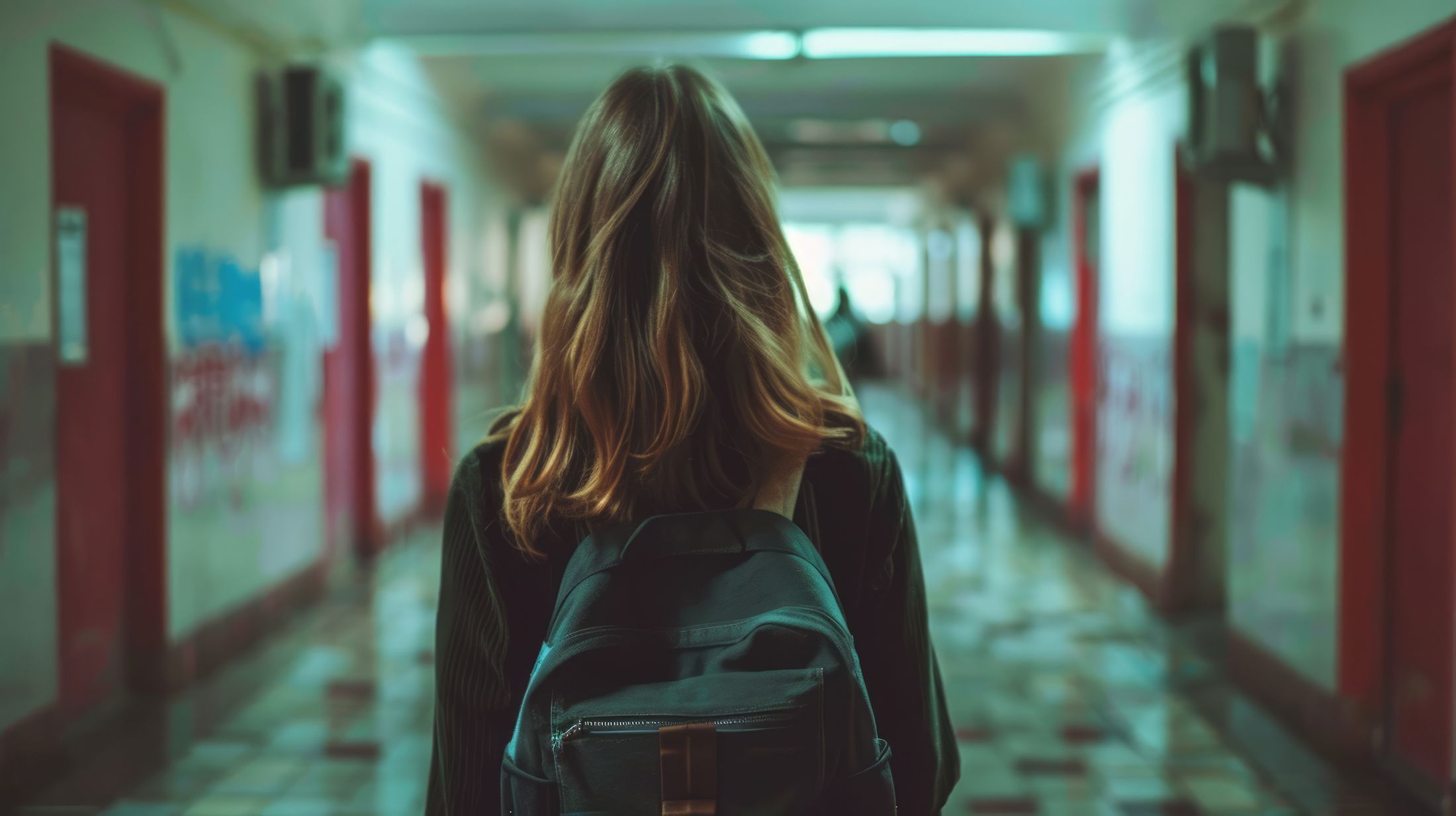
With teachers facing threats, increasing acts of school violence and students being restrained at least 2,300 times per school day, CCHR says $2.7B in recent mental health funding to schools has failed.
LOS ANGELES - PennZone -- The Citizens Commission on Human Rights International (CCHR) says that the billions of dollars funneled into mental health programs in schools have failed to prevent violence, calling for a critical wake-up call. Despite these investments, school shootings and related deaths have continued to rise over five years, according to the report, "An Examination of US School Mass Shootings, 2017–2022." Federal data indicates that students are restrained and secluded an average of 2,300 times per school day, potentially endangering over 100,000 children.[1] Tragically, many fatalities, particularly those involving prone restraints, could have been avoided with proper bans.
CCHR stresses the urgency of legislative action to address these ongoing issues. A federal bill, Keeping All Students Safe Act, introduced in 2021 and again in May 2023, has yet to pass, yet it would prohibit and prevent the use in schools of seclusion, chemical restraint, and dangerous restraints that restrict breathing. New York approved regulations in 2023 prohibiting school staff from restraining a student face down—prone restraints—or leaving a student secluded in a room that they cannot leave. In June 2024, California state Senator Dave Cortese's Senate Bill 483, "Pupil Rights – Prohibition of Prone Restraint" passed through the Assembly Education Committee to eliminate the use of prone restraints in California schools.
CT Insider reports that these practices "cause hundreds, if not thousands, of injuries to students each year, and, experts say, an untold number of children suffer lasting emotional trauma."[2] The Wisconsin Examiner equated the school restraint practices in Wisconsin to "torture" after schools reported almost 6,000 seclusion and 7,000 restraint incidents in 2021-22.[3]
"With the billions of dollars that have been invested in students' mental health and to prevent violence, the poor outcome has been catastrophic,'" says Jan Eastgate, President of CCHR International. "The violence continues unabated, accompanied by failing educational scores." Reading scores have plummeted to their lowest levels in years.[4]
She says funding to school "mental health" is a bottomless pit, without accountability. The U.S. budget for 2020 included $133 million for school violence prevention efforts, including Mental Health First Aid training within schools for school personnel to "better recognize the signs and symptoms of mental illness in students."[5] In 2022, $160 billion was allocated for the mental health needs of students.[6] That same year, the Department of Education announced a $280 million investment to increase access to mental health services for students.[7] Health & Human Services allocated $25 million to expand school mental health clinics.[8]
More on The PennZone
In 2023, $188 million was allocated to hire 5,400 school-based mental health professionals and train an estimated 5,500 more to build a pipeline to mental health providers in schools.[9] On June 17, 2024, an additional $1 billion was allocated for youth mental health in schools. This funding will support the training and hiring of 14,000 new full-time mental health professionals, bringing the total number to 19,400—or a 259% increase.[10]
In contrast, between 2018 and 2023, the number of teachers in public and private elementary and secondary schools nationwide increased from 3,170,000 to 3,181,000, representing a mere 0.34% growth.[11]
According to the National Center for Education Statistics (NCES), the average teacher pay in 2021-2022 was $66,397. Whereas the average school psychologist's salary is $78,431. This is 18% greater than the average for teachers. The average child psychiatrist's annual income is $249,711—276% or nearly 4 times greater than that for a teacher.
Eastgate says, "Investing in teachers should be the overriding priority, and not have this usurped by classes being turned into behavioral clinics."
Students are screened for mental disorders, assessed and subjected to "Social Emotional Learning" (SEL), despite, as the American Enterprise Institute says, "its ideas and techniques borrowed from popular psychology" mask the true nature of the program.[12] Classes can include: "mindfulness," "visualization to release stress," "name the emotion you are bringing to class," and "write down, rip up and throw away your stress."[13] From November 2019 to April 2021, SEL spending grew by 45% to $765 million.[14]
Yet, 10% of K–12 public school teachers report that they have been
physically assaulted or attacked by a student.[15]
Today, 70% of children in the U.S. who have sought and received mental health "support" did so through schools.[16] The IQVia Total Patient Tracker Database for the Year 2020 reports that more than 6.1 million children and teens ages 0-17 were taking psychiatric drugs, of which 2,652,554 were in the 6-12 age group and 3,188,966 for the ages 13-17.[17]
These drugs are documented to induce violent behavior. CCHR's report, Psychiatric Drugs Create Violence & Suicide: School Shootings and Other Acts of Senseless Violence includes 30 studies that link psychotropic drugs to hostility, mania, aggression, self-harm, suicide, and homicidal thoughts.
During the 2021-22 school year, 66% of students seeking mental health services were referred to external mental health services.[18] CCHR says this makes schools a feeder line to an already profit-driven mental health industry, including involuntary psychiatric hospitalization.
More on The PennZone
Data shows children who are committed under Florida's involuntary commitment Baker Act, for example, often are referred by school officials. Health News Florida reported, "Fear of school shootings and increased pressure to regulate student behavior mean one bad joke can plunge a child, and their family, into the state's mental health system."
Once institutionalized, children are at risk of more deadly restraints, as neither state nor federal governments have yet implemented a comprehensive ban on the practice. CCHR advocates for critical legislative measures to address this issue, emphasizing the urgent need for the passage of the federal Keeping Children Safe Act and the Stop Institutional Child Abuse Act.
About CCHR: It was established in 1969 by the Church of Scientology and eminent professor of psychiatry, Dr. Thomas Szasz. Responsible for helping achieve hundreds of laws to protect individuals, this includes the federal Prohibition of Mandatory Medication Amendment banning the practice of children being forced to take psychiatric drugs as a requisite for their education.
[1] www.murphy.senate.gov/newsroom/press-releases/murphy-reintroduces-legislation-to-protect-students-from-dangerous-seclusion-and-restraint-practices
[2] www.ctinsider.com/projects/2022/child-deaths-school-restraint-seclusion/
[3] wisconsinexaminer.com/2024/03/18/seclusion-and-restraint-use-in-wisconsin-schools-whats-being-done-about-it/
[4] www.dallasnews.com/news/education/2021/11/10/americas-reading-problem-scores-were-dropping-even-before-the-pandemi
[5] www.thenationalcouncil.org/president-trump-releases-fy-2020-budget-proposal/
[6] www.whitehouse.gov/briefing-room/statements-releases/2022/03/01/fact-sheet-president-biden-to-announce-strategy-to-address-our-national-mental-health-crisis-as-part-of-unity-agenda-in-his-first-state-of-the-union/
[7] www.ed.gov/news/press-releases/hundreds-millions-dollars-funds-increase-number-school-based-mental-health-providers-schools-provided-through-bipartisan-safer-communities-act
[8] www.hhs.gov/about/news/2022/05/03/hhs-awards-nearly-25-million-expand-access-school-based-health-services.html
[9] www.ed.gov/news/press-releases/us-department-education-announces-more-188-million-bipartisan-safer-communities-act-support-mental-health-and-student-wellness
[10] www.mymotherlode.com/news/local/3376374/biden-gun-violence-prevention.html
[11] www.statista.com/statistics/185012/number-of-teachers-in-elementary-and-secondary-schools-since-1955/
[12] www.aei.org/research-products/report/the-unexamined-rise-of-therapeutic-education-how-social-emotional-learning-extends-k-12-educations-reach-into-students-lives-and-expands-teachers-roles/
[13] www.edutopia.org/article/13-powerful-sel-activities-emelina-minero
[14] docs.house.gov/meetings/AP/AP07/20220406/114597/HHRG-117-AP07-Wstate-EdenM-20220406.pdf
[15] www.edweek.org/leadership/how-many-teachers-have-been-assaulted-by-students-or-parents-we-asked-educators/2022/08
[16] www.usnews.com/education/k12/articles/the-benefits-of-mental-health-programs-in-schools
[17] www.cchrint.org/psychiatric-drugs/children-on-psychiatric-drugs/
[18] nces.ed.gov/whatsnew/press_releases/05_31_2022_2.asp
CCHR stresses the urgency of legislative action to address these ongoing issues. A federal bill, Keeping All Students Safe Act, introduced in 2021 and again in May 2023, has yet to pass, yet it would prohibit and prevent the use in schools of seclusion, chemical restraint, and dangerous restraints that restrict breathing. New York approved regulations in 2023 prohibiting school staff from restraining a student face down—prone restraints—or leaving a student secluded in a room that they cannot leave. In June 2024, California state Senator Dave Cortese's Senate Bill 483, "Pupil Rights – Prohibition of Prone Restraint" passed through the Assembly Education Committee to eliminate the use of prone restraints in California schools.
CT Insider reports that these practices "cause hundreds, if not thousands, of injuries to students each year, and, experts say, an untold number of children suffer lasting emotional trauma."[2] The Wisconsin Examiner equated the school restraint practices in Wisconsin to "torture" after schools reported almost 6,000 seclusion and 7,000 restraint incidents in 2021-22.[3]
"With the billions of dollars that have been invested in students' mental health and to prevent violence, the poor outcome has been catastrophic,'" says Jan Eastgate, President of CCHR International. "The violence continues unabated, accompanied by failing educational scores." Reading scores have plummeted to their lowest levels in years.[4]
She says funding to school "mental health" is a bottomless pit, without accountability. The U.S. budget for 2020 included $133 million for school violence prevention efforts, including Mental Health First Aid training within schools for school personnel to "better recognize the signs and symptoms of mental illness in students."[5] In 2022, $160 billion was allocated for the mental health needs of students.[6] That same year, the Department of Education announced a $280 million investment to increase access to mental health services for students.[7] Health & Human Services allocated $25 million to expand school mental health clinics.[8]
More on The PennZone
- Phinge Corporation Engages Sheridan Ross PC for Certain Intellectual Property Matters
- Alan Hamilton of Shiver Hamilton Campbell Inducted as a Fellow of the American College of Trial Lawyers
- Slotozilla Hosts Exclusive Halloween Casino Bonuses for 2026
- One Night. One Encounter. A New Season Of Purpose
- "BROOKLYN, BROOKLYN, BROOKLYN" children's book and official YouTube channel launch on October 27th
In 2023, $188 million was allocated to hire 5,400 school-based mental health professionals and train an estimated 5,500 more to build a pipeline to mental health providers in schools.[9] On June 17, 2024, an additional $1 billion was allocated for youth mental health in schools. This funding will support the training and hiring of 14,000 new full-time mental health professionals, bringing the total number to 19,400—or a 259% increase.[10]
In contrast, between 2018 and 2023, the number of teachers in public and private elementary and secondary schools nationwide increased from 3,170,000 to 3,181,000, representing a mere 0.34% growth.[11]
According to the National Center for Education Statistics (NCES), the average teacher pay in 2021-2022 was $66,397. Whereas the average school psychologist's salary is $78,431. This is 18% greater than the average for teachers. The average child psychiatrist's annual income is $249,711—276% or nearly 4 times greater than that for a teacher.
Eastgate says, "Investing in teachers should be the overriding priority, and not have this usurped by classes being turned into behavioral clinics."
Students are screened for mental disorders, assessed and subjected to "Social Emotional Learning" (SEL), despite, as the American Enterprise Institute says, "its ideas and techniques borrowed from popular psychology" mask the true nature of the program.[12] Classes can include: "mindfulness," "visualization to release stress," "name the emotion you are bringing to class," and "write down, rip up and throw away your stress."[13] From November 2019 to April 2021, SEL spending grew by 45% to $765 million.[14]
Yet, 10% of K–12 public school teachers report that they have been
physically assaulted or attacked by a student.[15]
Today, 70% of children in the U.S. who have sought and received mental health "support" did so through schools.[16] The IQVia Total Patient Tracker Database for the Year 2020 reports that more than 6.1 million children and teens ages 0-17 were taking psychiatric drugs, of which 2,652,554 were in the 6-12 age group and 3,188,966 for the ages 13-17.[17]
These drugs are documented to induce violent behavior. CCHR's report, Psychiatric Drugs Create Violence & Suicide: School Shootings and Other Acts of Senseless Violence includes 30 studies that link psychotropic drugs to hostility, mania, aggression, self-harm, suicide, and homicidal thoughts.
During the 2021-22 school year, 66% of students seeking mental health services were referred to external mental health services.[18] CCHR says this makes schools a feeder line to an already profit-driven mental health industry, including involuntary psychiatric hospitalization.
More on The PennZone
- Expanding Into Medically Supervised Wellness With Major Apollo Wellness Centers Announcement; Sibannac, Inc. (Stock Symbol: SNNC)
- Nextlink Internet Deploys netElastic to Modernize Its Hybrid Broadband Network
- Dynamic Relaunch as AI Predictive Cybersecurity Company Optimized to Prevent Threats Proactively: Cycurion, Inc. (N A S D A Q: CYCU)
- EMBER™ Unveils the Workplace Identity Score™ (WIS™), the First Standard for Measuring Workplace Impact on Workforce Performance & Business Growth
- With Oil Prices Surging…Sky Quarry's Nevada Refinery Is Back in Action — CEO Highlights a Powerful New Growth Chapter for (N A S D A Q: SKYQ)
Data shows children who are committed under Florida's involuntary commitment Baker Act, for example, often are referred by school officials. Health News Florida reported, "Fear of school shootings and increased pressure to regulate student behavior mean one bad joke can plunge a child, and their family, into the state's mental health system."
Once institutionalized, children are at risk of more deadly restraints, as neither state nor federal governments have yet implemented a comprehensive ban on the practice. CCHR advocates for critical legislative measures to address this issue, emphasizing the urgent need for the passage of the federal Keeping Children Safe Act and the Stop Institutional Child Abuse Act.
About CCHR: It was established in 1969 by the Church of Scientology and eminent professor of psychiatry, Dr. Thomas Szasz. Responsible for helping achieve hundreds of laws to protect individuals, this includes the federal Prohibition of Mandatory Medication Amendment banning the practice of children being forced to take psychiatric drugs as a requisite for their education.
[1] www.murphy.senate.gov/newsroom/press-releases/murphy-reintroduces-legislation-to-protect-students-from-dangerous-seclusion-and-restraint-practices
[2] www.ctinsider.com/projects/2022/child-deaths-school-restraint-seclusion/
[3] wisconsinexaminer.com/2024/03/18/seclusion-and-restraint-use-in-wisconsin-schools-whats-being-done-about-it/
[4] www.dallasnews.com/news/education/2021/11/10/americas-reading-problem-scores-were-dropping-even-before-the-pandemi
[5] www.thenationalcouncil.org/president-trump-releases-fy-2020-budget-proposal/
[6] www.whitehouse.gov/briefing-room/statements-releases/2022/03/01/fact-sheet-president-biden-to-announce-strategy-to-address-our-national-mental-health-crisis-as-part-of-unity-agenda-in-his-first-state-of-the-union/
[7] www.ed.gov/news/press-releases/hundreds-millions-dollars-funds-increase-number-school-based-mental-health-providers-schools-provided-through-bipartisan-safer-communities-act
[8] www.hhs.gov/about/news/2022/05/03/hhs-awards-nearly-25-million-expand-access-school-based-health-services.html
[9] www.ed.gov/news/press-releases/us-department-education-announces-more-188-million-bipartisan-safer-communities-act-support-mental-health-and-student-wellness
[10] www.mymotherlode.com/news/local/3376374/biden-gun-violence-prevention.html
[11] www.statista.com/statistics/185012/number-of-teachers-in-elementary-and-secondary-schools-since-1955/
[12] www.aei.org/research-products/report/the-unexamined-rise-of-therapeutic-education-how-social-emotional-learning-extends-k-12-educations-reach-into-students-lives-and-expands-teachers-roles/
[13] www.edutopia.org/article/13-powerful-sel-activities-emelina-minero
[14] docs.house.gov/meetings/AP/AP07/20220406/114597/HHRG-117-AP07-Wstate-EdenM-20220406.pdf
[15] www.edweek.org/leadership/how-many-teachers-have-been-assaulted-by-students-or-parents-we-asked-educators/2022/08
[16] www.usnews.com/education/k12/articles/the-benefits-of-mental-health-programs-in-schools
[17] www.cchrint.org/psychiatric-drugs/children-on-psychiatric-drugs/
[18] nces.ed.gov/whatsnew/press_releases/05_31_2022_2.asp
Source: Citizens Commission on Human Rights
Filed Under: Health
0 Comments
Latest on The PennZone
- BESTBUYSTORE opens its dropshipping model to independent merchants
- America's Hometown Thanksgiving Parade in Plymouth, MA, on Saturday, November 21, 2026
- Navigating a Changing Market: How AIX Group Is Responding to a Challenging Year
- 450 Million Revenue Run Rate, Global Telecom Reach and a New Digital Growth Opportunity Take Center Stage: IQSTEL, Inc. (N A S D A Q: IQST)
- Wave Helicopters Takes FLIBS 2026 to New Heights
- Canada's First Data Lakehouse Goes Global in Banking: Nabil Bank Becomes Nepal's First Bank to Implement a True Agentic Lakehouse Platform, DataNature
- Latin GRAMMY-Winning Cuban-American Conductor Dr Yalil Guerra to Lead Pepperdine's Oklahoma!
- Highsfield Showcases Earth Zoom Generator for Cinematic AI Videos
- Patton AI Launches Patton Hive 4.5: Wartime Breakthroughs for Drones and Robots When GPS Goes Dark
- Wisdom trumps wrinkles: 66% of Aussie women wouldn't turn back the clock
- Attorney Jason M. Sullivan Quoted in The Telegraph on Trump's $10 Billion BBC Lawsuit
- Sherri Horsey Darden: A Visionary Woman Building a Legacy of Inspiration, Community, and Excellence
- Sycamore Dove Releases "Loving Every Moment"
- Hospital Direct Medical Equipment Company Seeing Growth in Used Refurbished Medical Equipment Sales
- Scoop Social Co. Brings Its Signature Mobile Dessert Experience to Nashville
- Soft & Sweet Unveils New Studio Location and Website for All-Natural Sugaring in Las Vegas
- Beyond Popularity Rankings, The World's No.1 Superstar® Wins Best Pop Music Video for "Under Your Spell"
- Roots for Boots to Participate in 2026 Adams County Community Foundation Giving Spree
- Simpalm Staffing Launches Tax Preparer Staffing for U.S. CPA Firms
- ASSIST Software Wins Volkswagen Challenge for Automated Quality Inspection